Everyone seems to be talking about matcha these days.
Matcha lattes. Matcha protein shakes. Matcha soaked oats. Matcha ice cream.
As if drinking liquidised lawn clippings is the pinnacle of human civilisation.
As a drink, I've never quite understood the obsession.
Yes, I know about the antioxidants. And look, I understand the health benefits.
But if your tea requires oat milk, vanilla syrup, strawberry powder and ice cream before it becomes enjoyable, I do have a question:
Do you actually like the tea?
The funny thing is that outside Japan, matcha has become almost completely detached from Japanese tea culture.
It's a wellness product. A colour. An aesthetic. An ingredient.
And doesn't it photograph well?
A Tea Mystery in Hakone
Years ago, I stayed in a gloriously scruffy ryokan in Hakone, in the foothills of Mount Fuji.
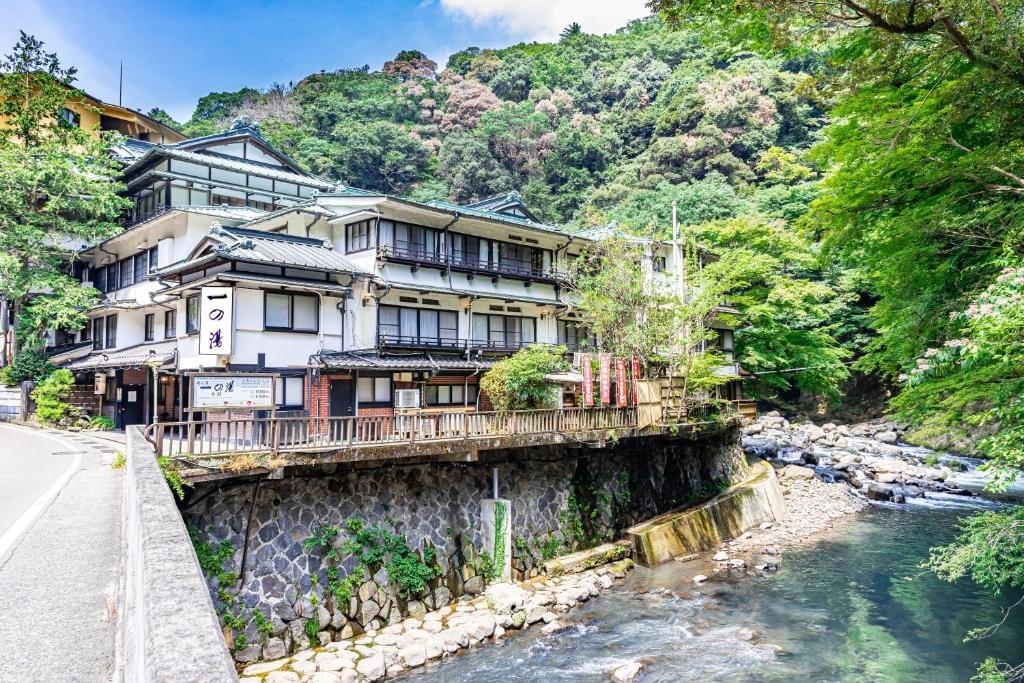
It was the cheapest ryokan I could find with a private hot spring bath.
Plenty of cobwebs. Some compromises.
But the tea left in my room was extraordinary.
Sweet. Fragrant. Deeply green.
It smelled like a childhood meadow and tasted unlike any green tea I had ever encountered before.
The strange thing was that it didn't taste remotely like the green tea most people outside Japan are familiar with. There was no bitterness. No grassy harshness. No urge to add anything to it.
It was simply delicious.
I became slightly obsessed with identifying it.
This was long before translation apps made life easy. Most of my enquiries disappeared into a fog of enthusiastic gestures, limited Japanese, and well-meaning confusion.
The mystery remained unsolved.
Finding It Again in Uji
Years later, I found myself in Uji.
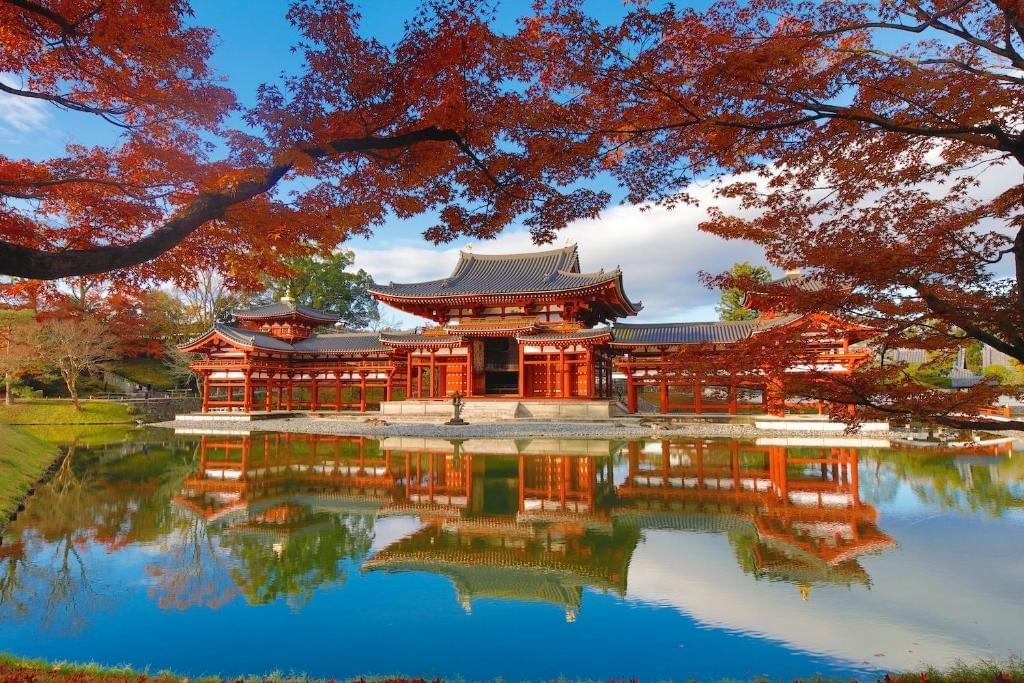
If you've spent any time researching Japanese tea, you'll know the name. Uji, just south of Kyoto, is one of Japan's most famous tea-producing regions and is often associated with some of the country's finest teas.
The streets were full of visitors enjoying matcha ice cream, matcha parfaits, matcha cakes and matcha drinks.
Nothing wrong with that.
It's a lovely day out.
But while everyone else was photographing bright green desserts, I found myself staring at a shelf of loose-leaf teas.
One small packet caught my eye.
Gyokuro.
The price certainly caught my attention too.
I bought a bag, found the nearest kettle, and brewed a cup back at my hotel.
One sip.
Victory.
I'd found it.
The tea from that slightly haunted ryokan all those years before.
What Is Gyokuro?
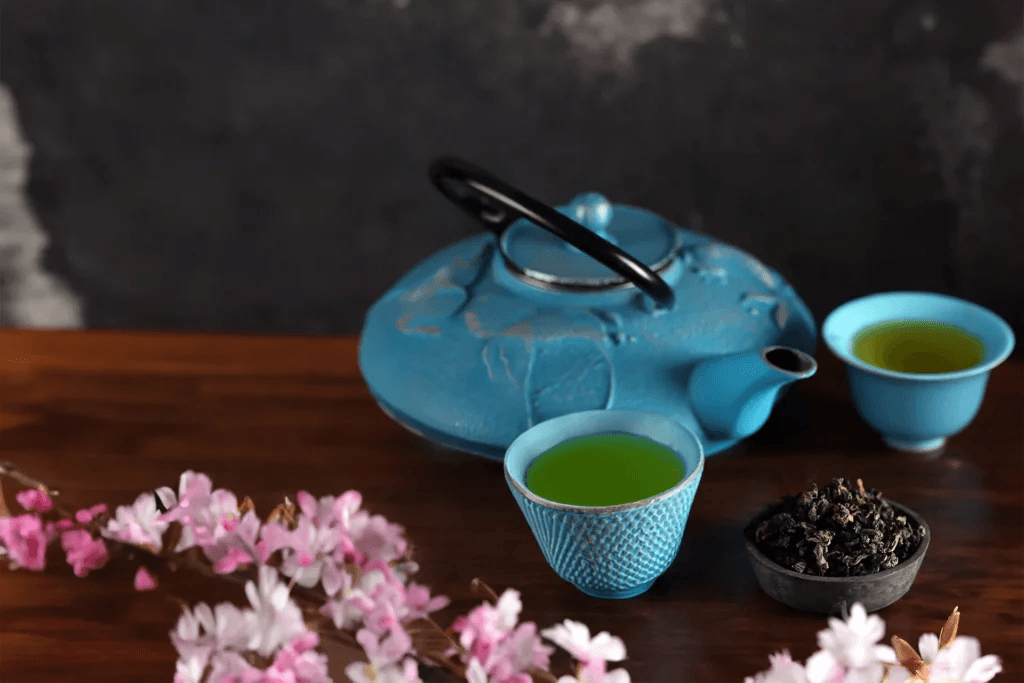
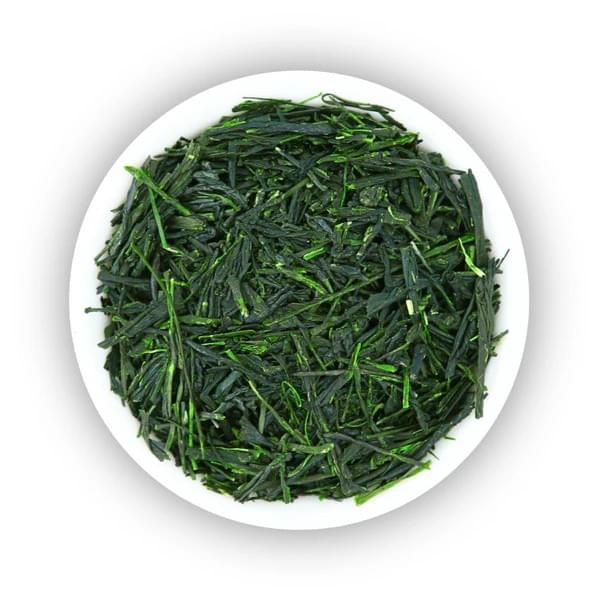
If matcha is the celebrity of Japanese tea, gyokuro is the connoisseur's choice.
Both teas are produced using shade-grown tea plants. For several weeks before harvest, the plants are covered to reduce sunlight exposure. This changes the chemistry of the leaves, increasing sweetness and creating the rich savoury character known as umami.
With matcha, the leaves are dried and ground into a fine powder.
With gyokuro, the leaves remain intact.
The result is a tea that can be remarkably sweet, complex and fragrant when brewed correctly.
The first time you encounter a truly great gyokuro, it's hard to believe it's just tea.
The Difference Between Tourism and Discovery
This isn't really a story about tea. Or at least, not entirely.
It's a story about something I've noticed repeatedly during my years living, working and travelling in Japan.
Visitors often arrive with a list of things they've been told they should experience.
The famous restaurant.
The famous view.
The famous snack.
The famous train.
The famous tea.
Sometimes those things are wonderful. Sometimes they are simply famous.
The experiences that stay with you are often the ones you discover almost by accident.
A quiet temple with no queue.
A local restaurant with no English menu.
A conversation on a train.
A hot spring hidden at the end of a valley.
Or a cup of tea in a slightly shabby ryokan room.
Thousands of visitors arrive in Uji, photograph green ice cream, buy matcha-flavoured everything, and leave believing they've discovered Japanese tea culture.
Meanwhile, the expensive little bag sitting quietly on the shelf is often the thing Japanese tea enthusiasts are most excited about.
That feels like a useful metaphor for Japan itself.
Beyond the Obvious Japan
One of the reasons I created Don't Take Me To Tokyo is because so much travel advice about Japan focuses on the obvious. Or what photographs well.
The same cities.
The same attractions.
The same experiences.
The same photographs.
There's nothing wrong with Tokyo, Kyoto or matcha.
They're famous for a reason.
But Japan rewards curiosity.
The country becomes more interesting the moment you start looking slightly beyond what everyone else is looking at.
Sometimes that means discovering a forgotten onsen town.
Sometimes it means following an old pilgrimage trail.
And sometimes it means finding a tea so good that you spend years trying to work out what it was.
For me, that tea was gyokuro.
And unlike matcha, it doesn't need ice cream.
If you want to plan a trip to Japan that goes beyond the obvious, get in touch and let's start planning a trip around you