It’s nearly midnight in Japan.
I’ve fallen asleep on the bullet train and ended up reeeeeeeally far from where I’m supposed to be (home). It’s been a long, busy day, and I’m tired in that slightly unreal way you only get when you’ve been moving since early morning.
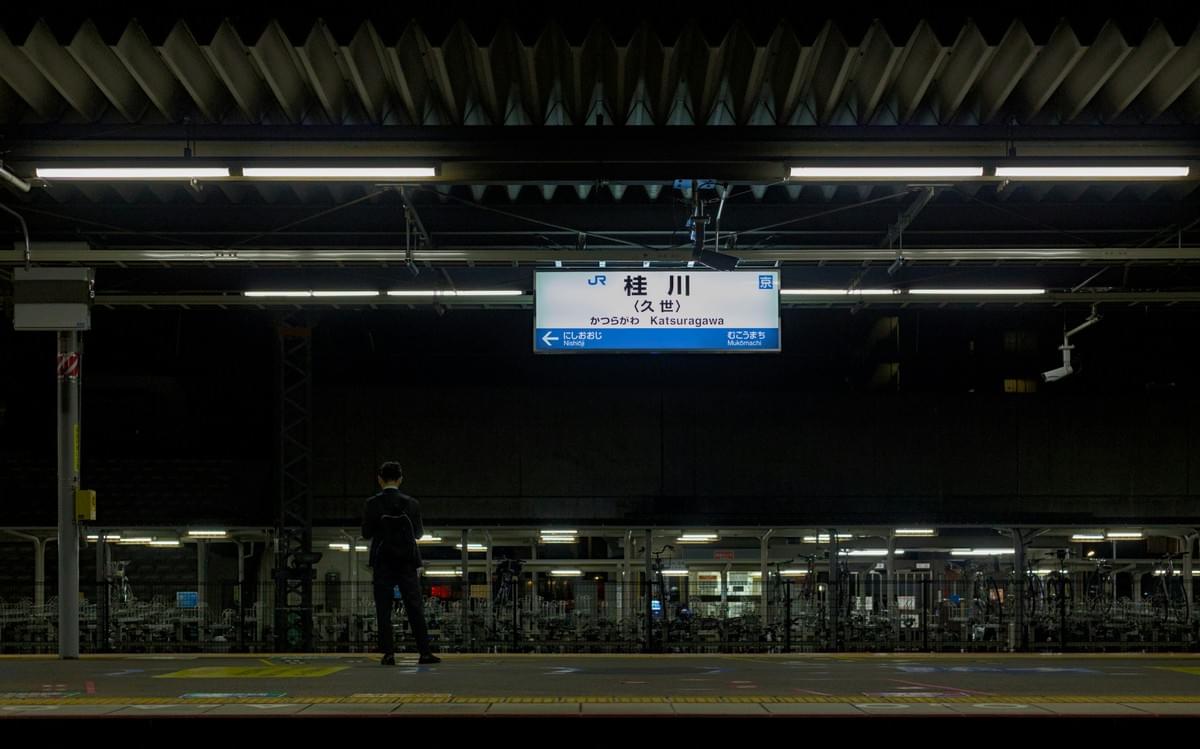
So I do what I always do.
I walk into a convenience store. Not hopefully. Not optimistically.
Confidently.
Because I already know what will be there:
✅ Hot food
✅ Fresh rice balls
✅ Decent coffee
✅ A clean space
✅ A predictable experience.
✅ And change from a 1,000 yen note.
Everything laid out with an almost ceremonial level of order and precision. This isn’t luck. It isn’t novelty. It’s design. And it works, every time. In every city, in every season. And it's not just about food and daily necessities:
➡️ You can pay your bills there
➡️ Buy stamps
➡️ Pick up stationery
➡️ Print documents
➡️ Book event and plane tickets
➡️ Send your luggage anywhere in the country overnight for a small fee
➡️ Buy fresh underwear or a clean shirt if your suitcase has betrayed you
And you can still walk out with better rice balls than most supermarket meal deals, and better fried chicken than KFC.
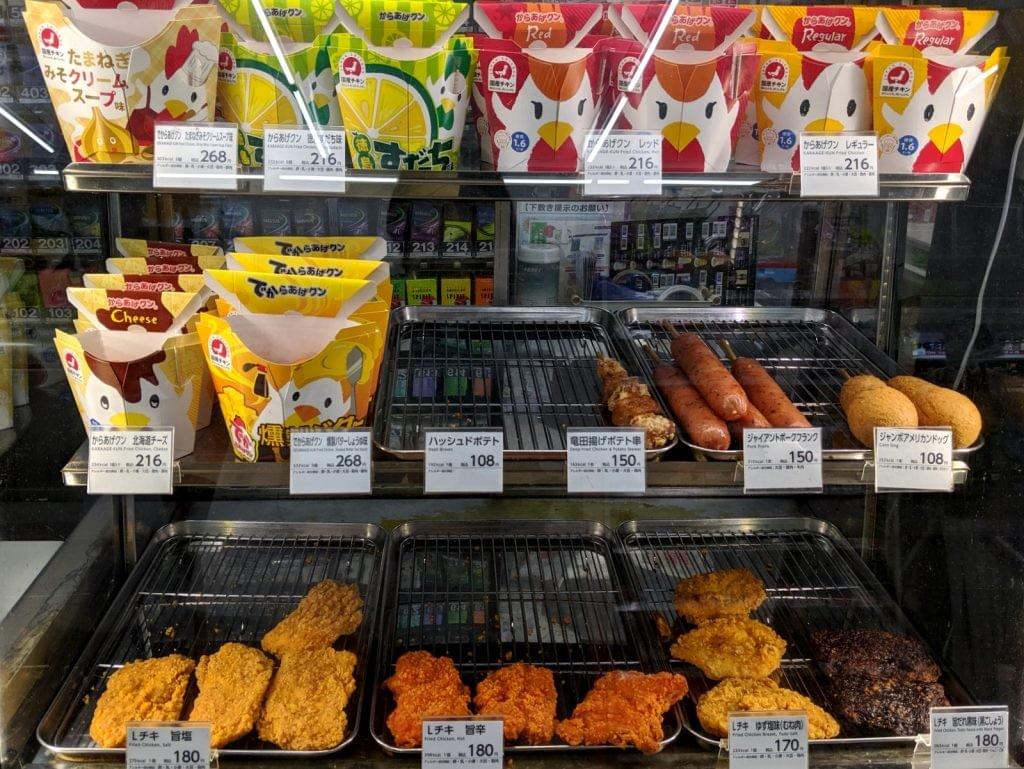
All in one stop. At midnight. On a Tuesday.
Of course, this system didn’t appear out of nowhere. Japan’s long working hours and late commutes created the demand for places like this in the first place. When people are regularly getting home at 9 or 10pm, reliable food stops being a luxury.
It becomes infrastructure.
But what’s striking is that the standards didn’t stay confined to office districts.
You find the same consistency in central Tokyo, suburban Himeji, and rural Takayama. Not because everyone works late, but because the system is built to work properly everywhere.
And we shouldn’t pretend this is irrelevant in the UK.
- Late shifts.
- Care work.
- Hospitality.
- Transport.
- Healthcare.
- Study.
- Long commutes.
We have our own version of tiredness too.
Here in the UK, late-night convenience shopping looks different; A sad half-filled sandwich. A fridge humming suspiciously. A meal deal that feels like a small act of self-betrayal. Prices creeping up. Quality quietly slipping. Right now, too much of our everyday retail is built on low expectations and quiet resignation.
“This is just how it is.”
“Don’t expect much.”
“It’s only a corner shop.”
But it doesn’t have to be.
In Convenience Store Woman, Sayaka Murata tells the story of a woman who finds stability, identity, and even peace in the precise routines of working in a convenience store. It isn’t really a book about retail. It’s a book about order. Belonging. Being held by a system that works.
She writes;
“A convenience store is not merely a place where customers come to buy practical necessities. It has to be somewhere they can enjoy and take pleasure in discovering things they like.”
That’s the difference.
In Japan, convenience isn’t a compromise. It’s a craft. Convenience is the theme, not the limitation.
Yes, convenience means reliable. It means thoughtful. But crucially for me that night, it means someone, somewhere, decided that even tired people at midnight deserve decent food.
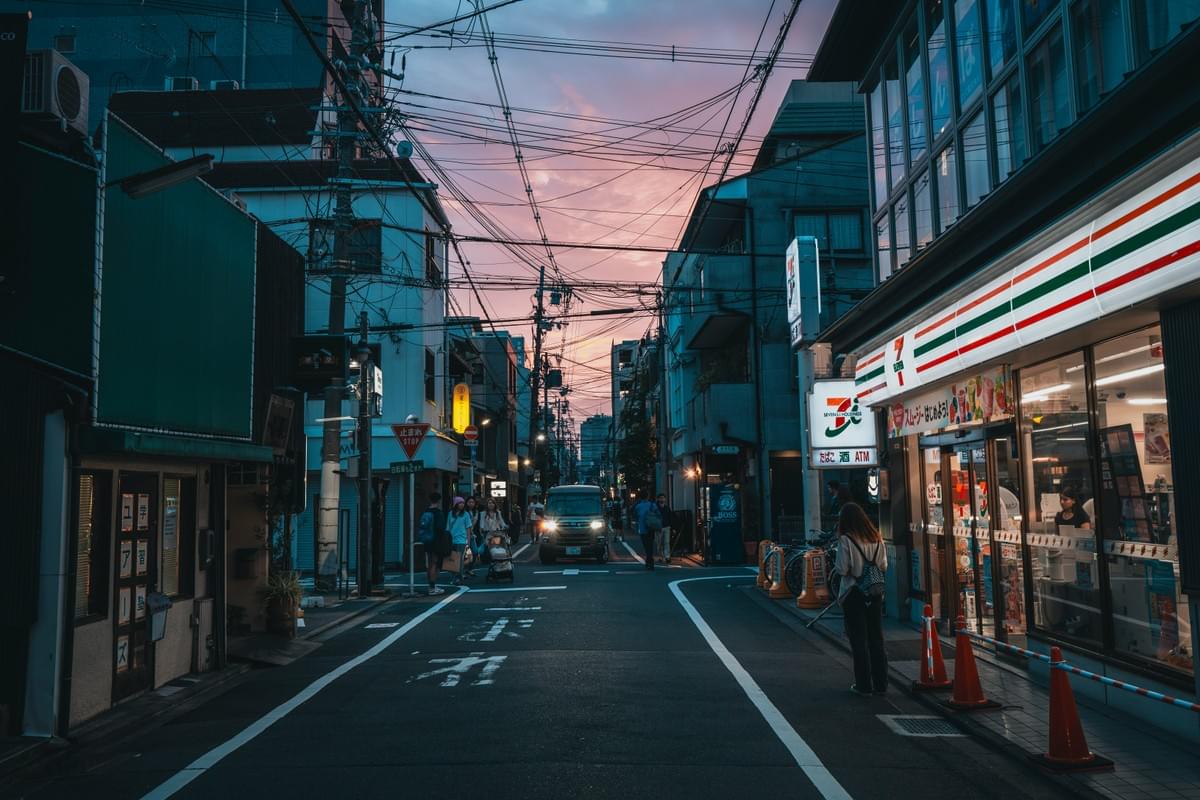
There’s a phrase most people associate with Marie Kondo: Does it spark joy? We usually think of it in relation to wardrobes and kitchen drawers. But in Japan, it feels as if that question escaped the home and started roaming the streets.
Does this sandwich spark joy? Does this coffee? Does this space? Does this interaction at midnight, when you’re exhausted?
One convenience store at a time, the philosophy gets applied to ordinary life. Not perfection. Not luxury. Just: quiet care, repeated at scale.
If you’ve never stood in a Japanese convenience store at midnight, buying hot chicken and warm soup after a long day, you haven’t quite met the country yet.
Not the temples. Not the trains. The everyday Japan. The one that quietly takes care of you. So, consider this my open letter:
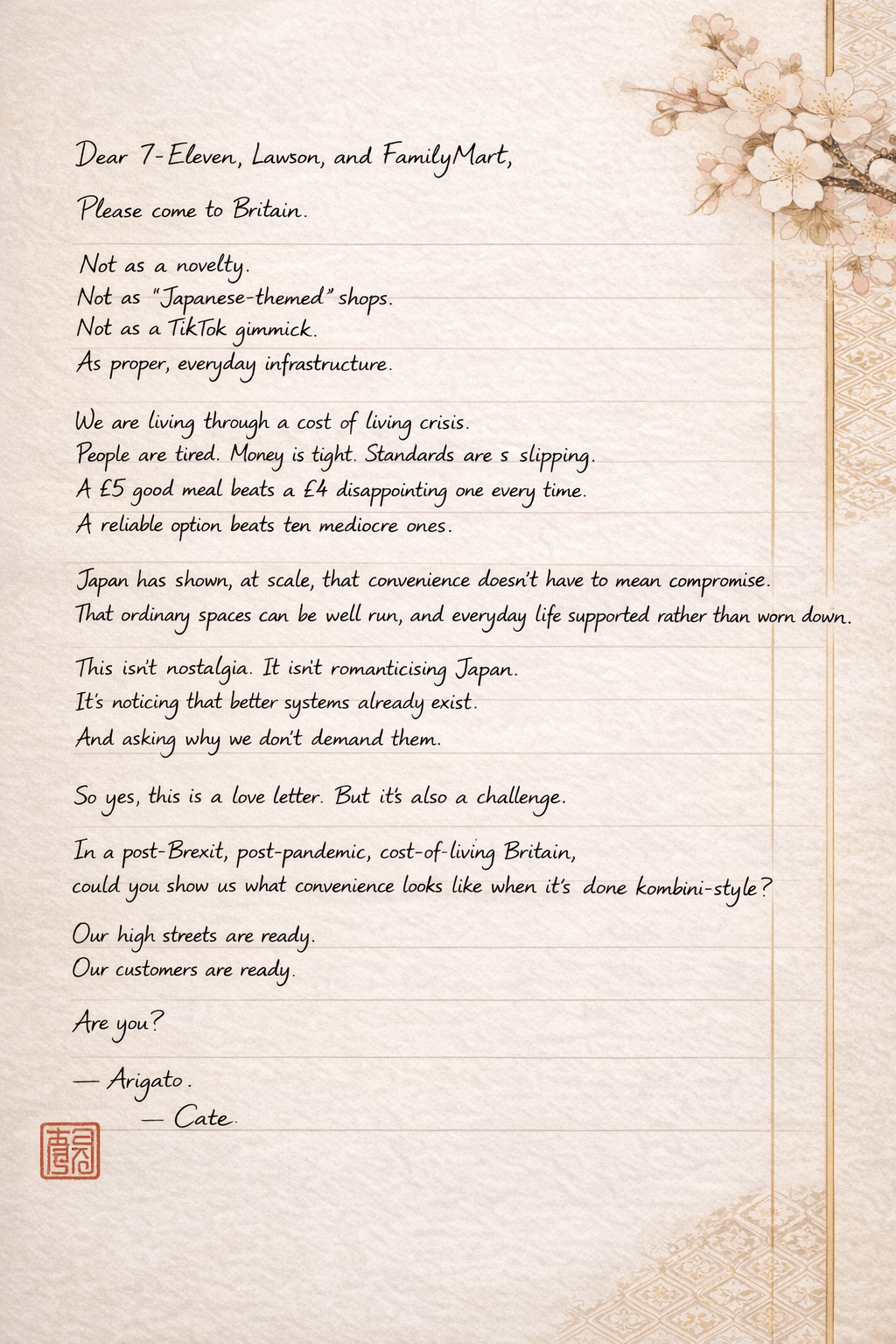
Dear 7-Eleven, Lawson, and FamilyMart,
Please come to Britain.
Not as a novelty. Not as “Japanese-themed” shops. Not as a TikTok gimmick. As proper, everyday infrastructure.
We are living through a cost of living crisis. People are tired. Money is tight. Standards are slipping. A £5 good meal beats a £4 disappointing one every time. A reliable option beats ten mediocre ones.
Japan has shown, at scale, that convenience doesn’t have to mean compromise. That ordinary spaces can be well run, and everyday life supported rather than worn down.
This isn’t nostalgia. It isn’t romanticising Japan. It’s noticing that better systems already exist. And asking why we don’t demand them.
So yes, this is a love letter. But it’s also a challenge.
In a post-Brexit, post-pandemic, cost-of-living Britain, could you show us what convenience looks like when it’s done kombini-style?
Our high streets are ready. Our customers are ready. Are you?
Arigato.
- Cate
If this made you curious about everyday Japan beyond the postcard version, I can help you find more. Get in touch and let's get you beneath the surface.