There is a strange irony in Japan’s current tourism boom.
The more popular Japan becomes, the harder it is to find a genuine specialist who can help you step off the main tourist trail.
Search for a Japan specialist tour operator in the UK and you will find dozens. Demand is high. First-time visitors are flooding in. Japan is everywhere right now.
But ask about walking the Nakasendo Way? Or arranging a section of the Kumano Kodo pilgrimage? Or planning time around Mount Koya beyond a single temple stay?
And suddenly, things become complicated.
Recently, I enquired with a UK operator that markets itself as a Japan specialist about arranging one of Japan’s most famous pilgrimage routes.
The consultant was warm, enthusiastic, reassuring. He told me he would look into it. He said he was working on my quote.
A week later, I received an email explaining that this route had never actually been bookable through them.
Not, “We’ve checked and it’s complex.”
Not, “We don’t have the right suppliers in that region.”
Simply that it wasn’t something they could arrange.
It was frustrating.
But having worked in travel long enough to understand what happens behind the scenes, it wasn’t surprising.
The Sales Conversation Comes First
In many large tour companies, the sales response happens before the feasibility check.
An enquiry lands! The consultant replies quickly. Optimism is projected. The client feels taken care of. Only afterwards does someone quietly ask: Can we actually deliver this?
If the request is not part of the company’s core Japan template, the answer is often no.
And Japan’s popularity makes this dynamic more pronounced than ever.
Japan’s Tourism Boom and the Template Trap
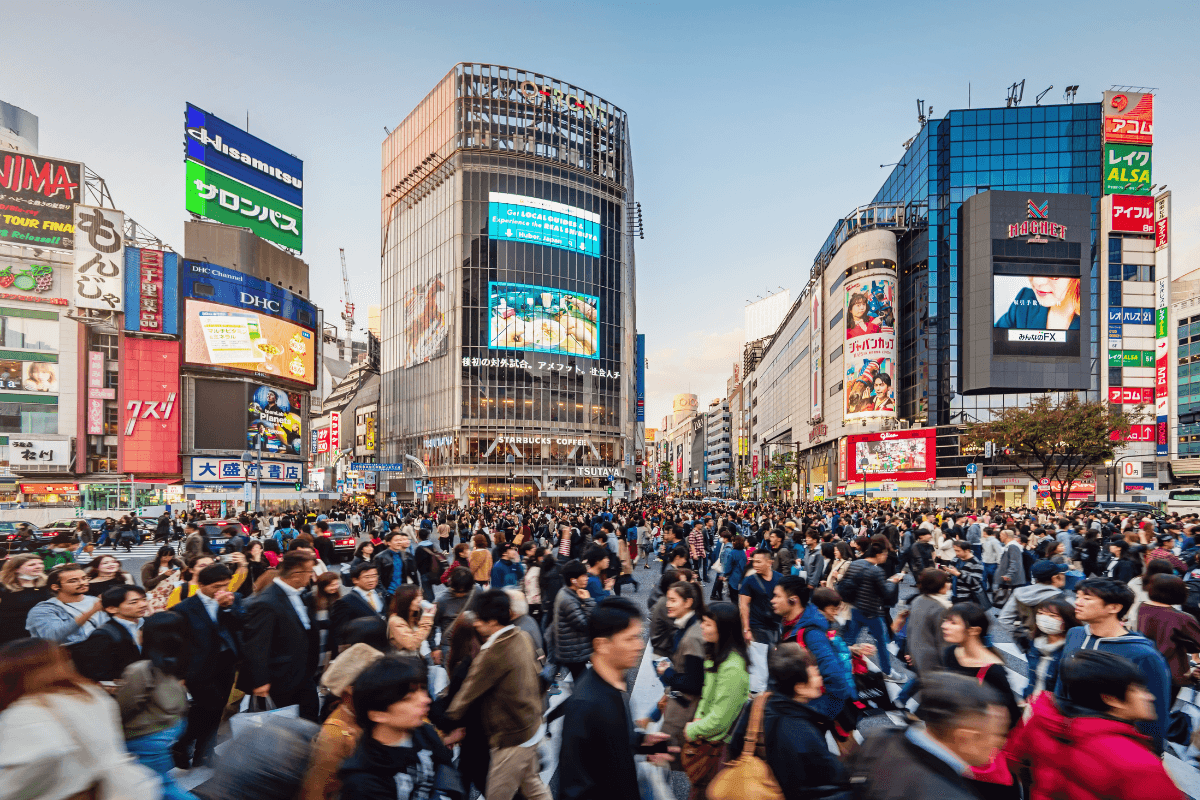
Right now, Japan is remarkably easy to sell.
There is huge demand for the classic first-time itinerary:
Tokyo. Kyoto. Mount Fuji. A ryokan stay. A bullet train. Fushimi Inari at sunrise.
It works.
It converts.
It scales.
Large operators can sell this version of Japan at volume. It is profitable, predictable, and repeatable. They do not need to go deeper.
Many consultants selling these trips may never have been to Japan. From a commercial perspective, they do not need to have been: The product is standardised.
They are trained primarily as salespeople. Their job is to sell The Dream. Not necessarily your dream.
Here is the irony:
The more demand there is for Japan, the less incentive there is for companies to develop deeper expertise.
Why invest in complex pilgrimage logistics when a highlights trip sells faster and at higher margin Why train consultants in rural route planning when a pre-built template does the job?
Popularity rewards simplicity. Travellers seeking something more personal often need the opposite.
The Japan That Doesn’t Fit the Template
Japan is not just the Golden Route. It is also:
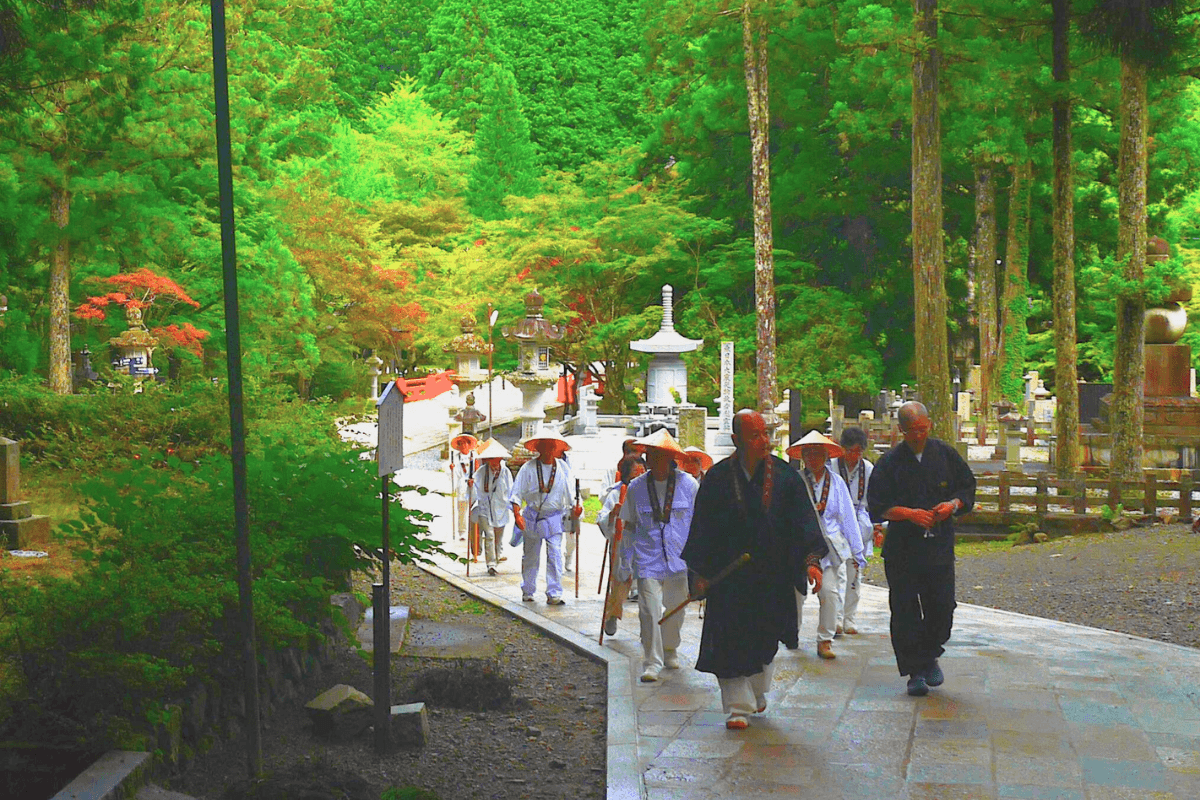
⭕ The 88 Temple Pilgrimage on Shikoku, a 1,200 kilometre circular route through fishing villages, forests, and remote mountain roads.
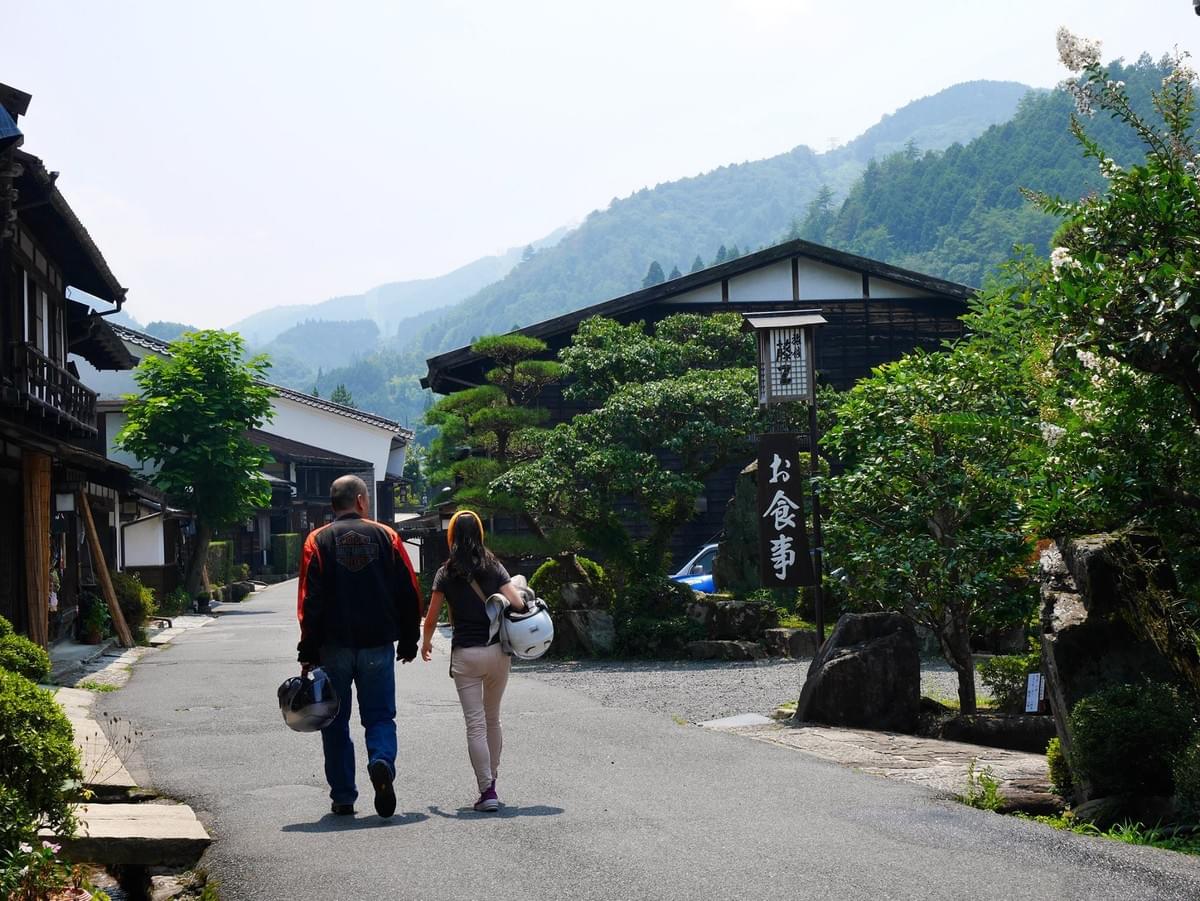
⭕ The Nakasendo Way, linking Edo and Kyoto through preserved post towns and alpine passes.
⭕The Tokaido Trail, once travelled by samurai and merchants along the eastern seaboard.
⭕Cycling the Shimanami Kaido, island-hopping across the Seto Inland Sea between quiet fishing ports and citrus groves.
⭕ Tracking Asiatic black bears in the Japan Alps with local conservation guides who understand the terrain and the seasons.
⭕ Spending a day in a small workshop learning to make incense, or crafting washi paper with an artisan whose family has done so for generations.
These are not abstract routes to me. I have walked sections of the Nakasendo, travelled extensively around Mount Koya, and followed parts of the old Tokaido. I know first-hand how different these journeys feel from a standard highlights trip.
They are slower. More immersive. More dependent on season, terrain, and local relationships.
And they require careful, experienced planning.
Why These Routes Are Different
These journeys are logistically complex. They require:
☑️ Rural accommodation bookings.
☑️ Small inns that do not use global systems.
☑️ Careful baggage forwarding.
☑️ Seasonal timing awareness.
☑️ Local knowledge.
They are slower to arrange. They do not scale. They are not “plug and play”. So if an operator does not already have the infrastructure or experience, they cannot suddenly create it for one enquiry.
It is far easier to stay within the template.
Pre-Packaged vs Personal
For many people, that will be enough. They will come home happy. They will feel they have “done” Japan. Their photos will be beautiful.
But there is a difference between a trip designed for mass appeal and one shaped around curiosity.
An authentic experience does not mean obscure for the sake of it.
It means intentional.
It means understanding why a pilgrimage matters.
Why certain sections are more meaningful than others.
Why seasonality changes everything.
Why some ryokan work for walkers and some absolutely do not.
It takes time to learn that. Sometimes, it really takes having been there.
What Real Specialism Looks Like
A genuine specialist does not say yes immediately. They say:
“Let me check that properly.”
“Here is what is realistic.”
“Here is what could go wrong.”
“Here is how we manage it.”
Sometimes they say no. Sometimes they redirect you to something better suited to what you actually want.
That is not a lack of ambition.
It is respect.
Respect for the country. Respect for the journey. Respect for the traveller.
Japan deserves that respect.
And so do the people who hope to walk its oldest roads.
There is a perception in this industry that genuine on-the-ground Japan expertise only exists at the very top end of the market, where companies can afford to send consultants for specialist training.
With me, you do not need to pay a luxury premium to work with someone who has walked these paths, understands the logistics, and knows how to plan beyond the template.
If you are looking for a more personal, more thoughtful way to experience Japan, I would be very happy to help.