“How long do I need in Japan?”
It’s one of the first questions people ask, and one of the hardest to answer honestly. Not because the country is complicated, but because the question itself assumes there’s a finish line.
Japan doesn’t work like that.
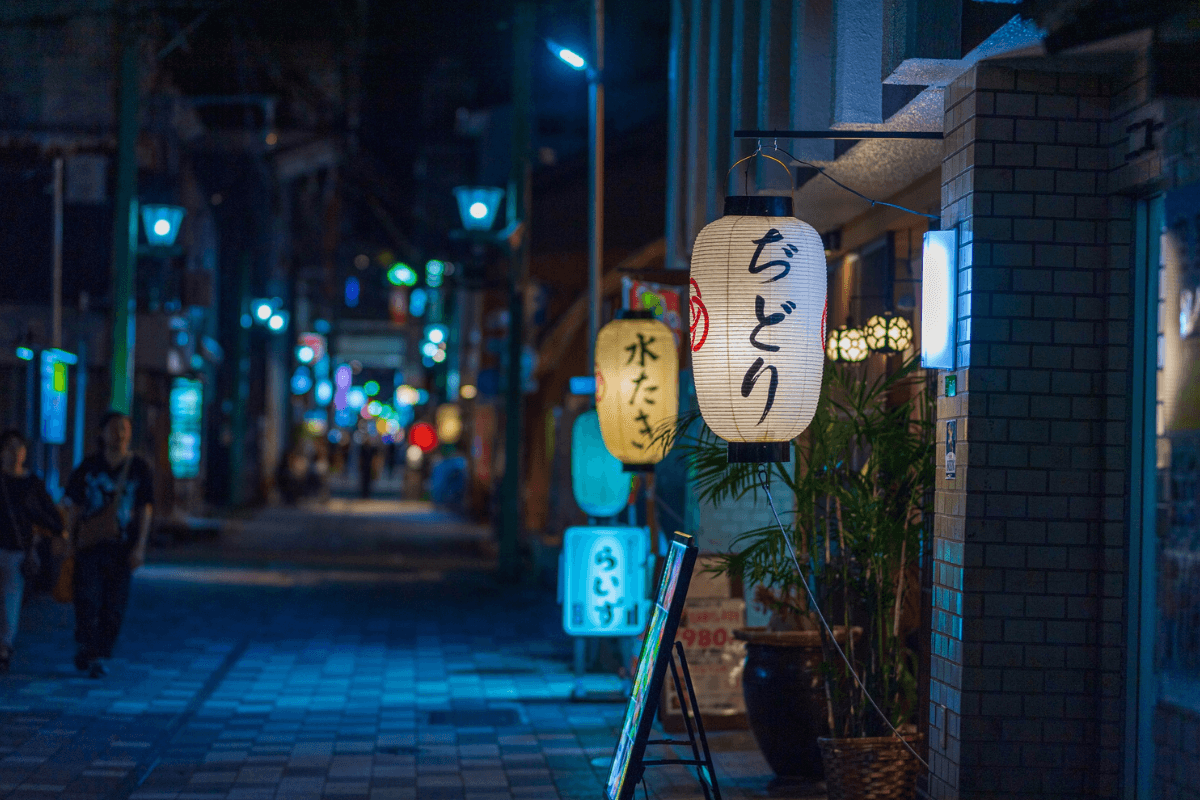
The urge to measure it
Most travel planning starts with arithmetic. Ten days. Two weeks. Three cities. A neat loop. It’s understandable. Time is limited, flights are long, and nobody wants to get it wrong.
But Japan resists this kind of thinking. It isn't a country that reveals itself through accumulation. More places don’t necessarily mean more understanding.
In fact, the opposite is often true.
A week in Japan can feel overwhelming. Two weeks can feel exhilarating. Three weeks can feel transformative or exhausting, depending entirely on how those days are used. What matters isn’t how many days you have. It’s how often you move.
Japan is dense, precise, and deeply layered. When you rush through it, you stay on the surface. You see the country performing. The bits in the brochure. When you slow down, you start to notice how it actually works. This is usually the moment people start wondering where Japan opens up once the obvious route is behind them.
That shift usually happens when you stop trying to “fit things in”.
What changes after the first week
Something subtle tends to happen around day seven or eight.
🎌 You stop checking maps constantly.
🎌 You start recognising patterns.
🎌 You learn when to wait, and when not to.
Meals become less about finding the right place and more about trusting what’s nearby. Trains stop feeling impressive and start feeling useful. You begin to notice the rhythm of neighbourhoods, not just their landmarks.
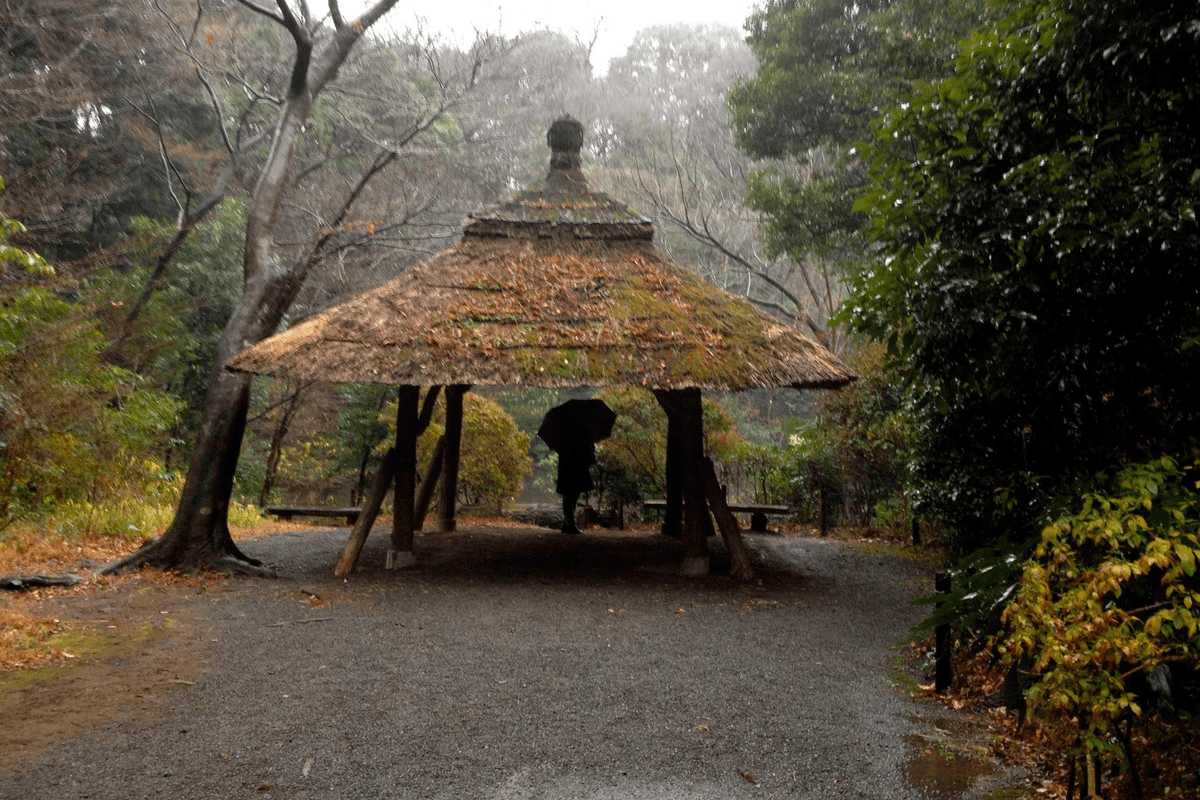
This is the point where Japan stops being impressive and starts being comfortable. It’s also the point where many itineraries end.
Why Japan punishes rushing
Japan is extraordinarily efficient, which makes it deceptively easy to over-plan. Timing plays into this too. Travelling only when everyone else does often intensifies the pressure to move fast. Trains run on time. Luggage moves smoothly. Hotels are reliable. Distances look manageable on a map.
The problem is that efficiency isn’t the same as ease.
Constant movement in Japan creates friction. Packing and unpacking. Checking in and out. Navigating unfamiliar stations day after day. It wears you down quietly, until the country begins to feel tiring rather than calming. Japan rewards patience. It doesn’t reward speed.
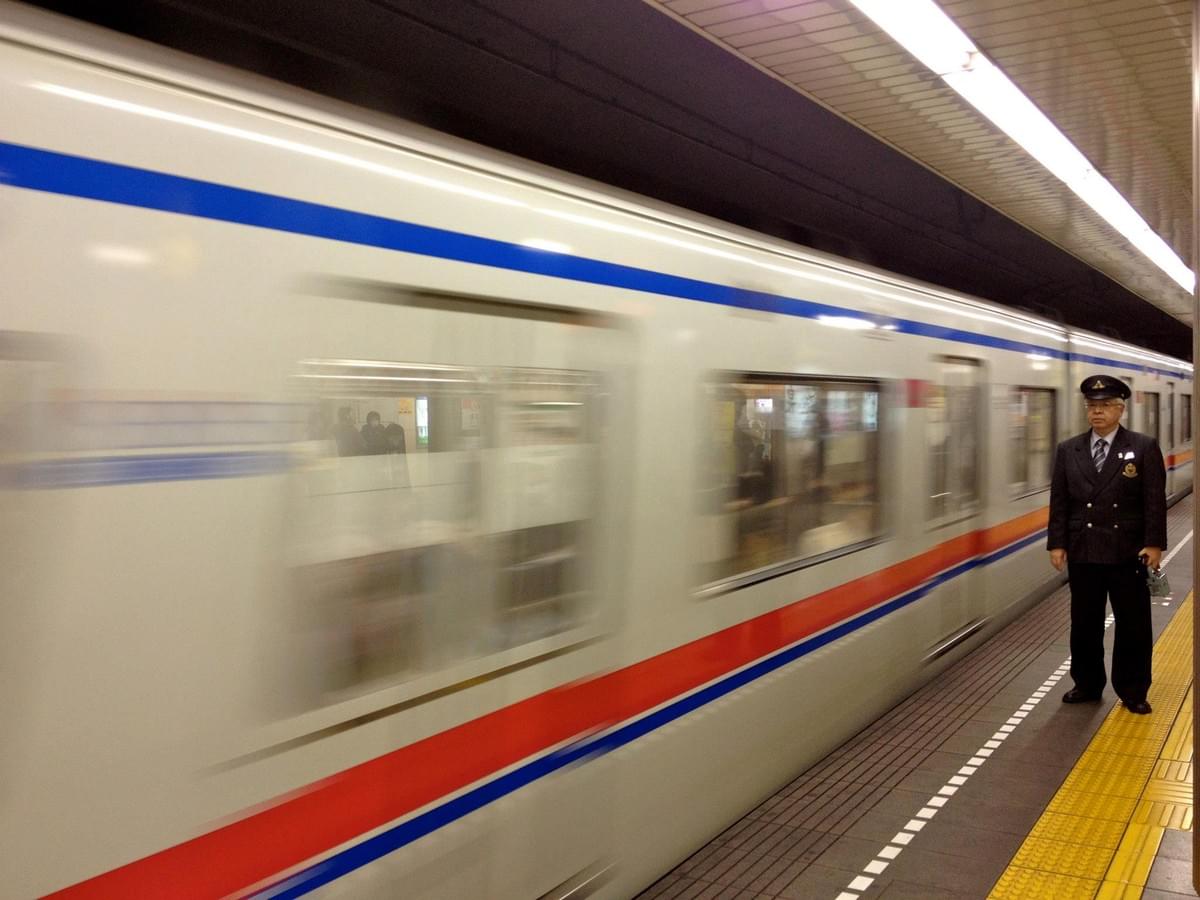
Enough is when you stop trying to finish it.
For some people, that happens in ten days spent across two places. For others, it’s two weeks anchored in one region with space to wander. Occasionally it takes longer, not because there’s more to see, but because there’s more to feel.
A good Japan trip leaves room for repetition. The same walk twice. The same café three mornings in a row. An afternoon with nothing planned that turns out to matter more than that temple you skipped.
That’s when Japan starts to feel generous rather than demanding.
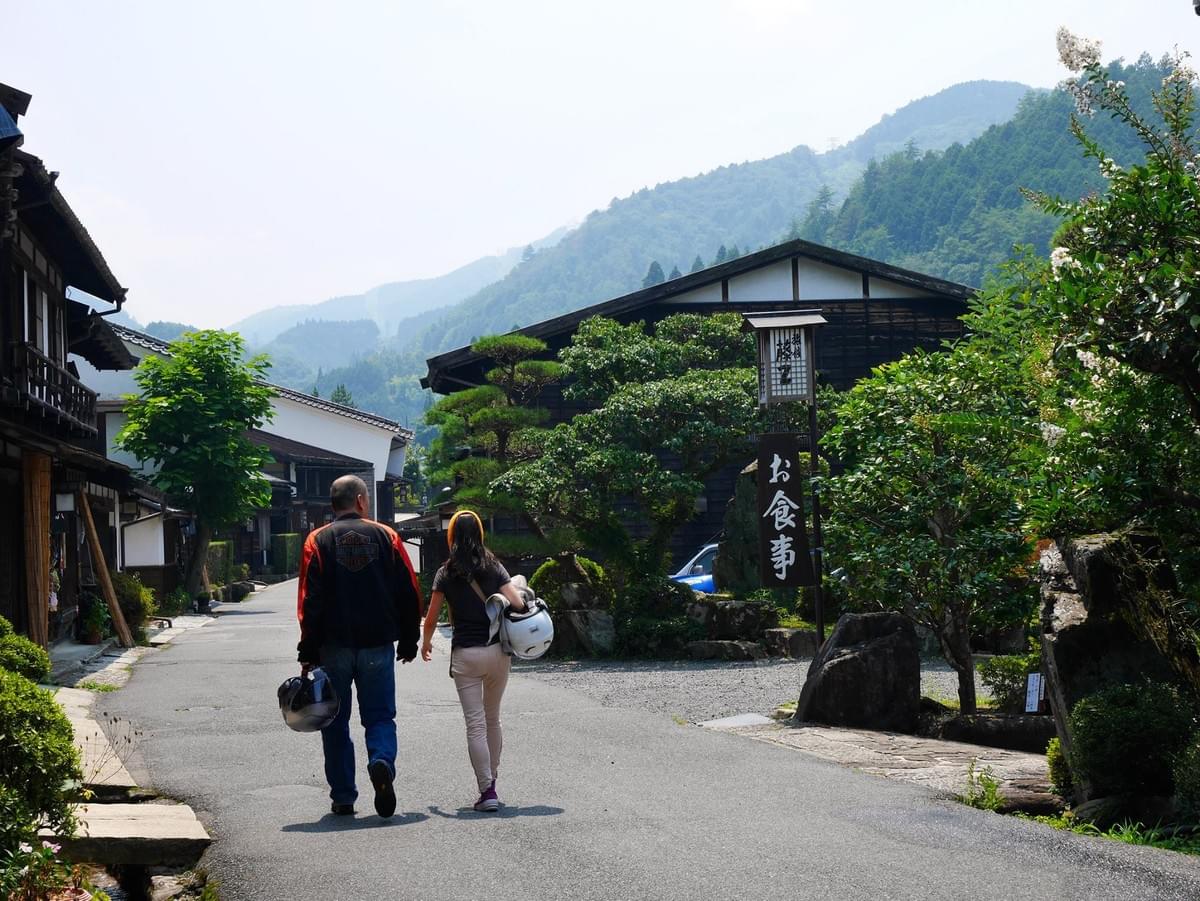
This is where I come in
When I design trips to Japan, I spend less time counting days and more time shaping pace. Where it makes sense to linger. Where movement adds something. Where stillness matters.
Some travellers come to this instinctively on a second trip. Others know it from the start and just need permission to travel more quietly.
If Japan has stayed with you longer than you expected, it’s usually a sign that you’re ready to slow it down.
And that’s often when the country gives you the most back.
If you’d like help shaping a Japan trip that feels spacious rather than rushed, you can book a 30-minute consultation to talk it through.