You’ve done Tokyo. You’ve done Kyoto. You might even have squeezed in Hakone, Osaka, or a night in the shadow of Mount Fuji. You loved it. Of course you loved it. Japan does first impressions brilliantly. So why does it still feel unfinished?
Most people leave Japan thinking they’ve seen the country at its best. In reality, they’ve seen its opening chapter. The cities, the icons, the places designed to be understood quickly. Japan is unusual in this way. It doesn’t flatten itself for visitors. It deepens.
And if you return, it changes.
If you’re here, you may have found yourself searching for something like where to go in Japan after Tokyo and Kyoto, or ideas for a second trip to Japan. What you’re really asking is how to experience the country without repeating the same itinerary — and whether Japan still has surprises left.
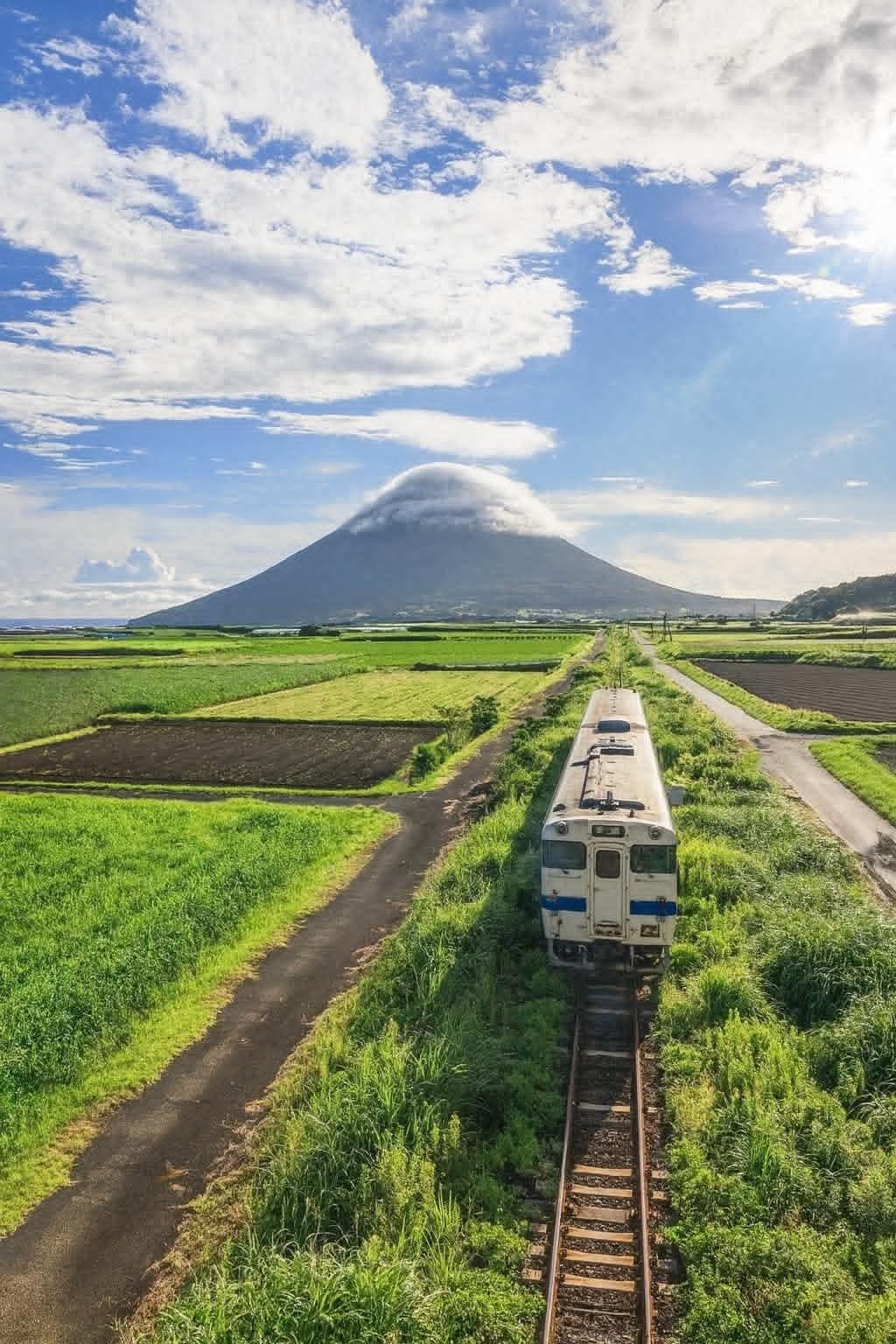
Why Japan gets better the second time
The first trip is about orientation. How the trains work. Where to stand. When to bow. What not to do. The second trip is about attention. You’re no longer watching Japan. You’re moving through it.
Japan rewards return visits unusually well. It’s something I first noticed years ago, when living there quietly rewired how I thought about care, attention, and value in everyday life.
You notice how neighbourhoods feel different at six in the morning. How regional food tastes like geography. How silence is used deliberately, not accidentally. You stop rushing between brochure highlights and start travelling with the grain of the country instead of against it.
This is where Japan becomes personal. But only if you let it.
Don’t repeat the first trip
This is the mistake most return travellers make. They go back to Tokyo because it’s familiar. They return to Kyoto because they didn’t “finish” it. They add more temples, more restaurants, more reservations. Timing plays into this too. Many people try to recreate their first visit by returning in peak seasons, assuming that’s when Japan is at its best. Often, the opposite is true.
Japan doesn’t reward repetition in the same way other countries do. If you try to replay the greatest hits, the country shrinks.
The second trip works best when you change direction entirely.
Five ways to think about what comes next
This isn’t a list of “hidden gems”. It’s a reframing:
1. Follow landscapes, not cities
Japan’s mountains, coastlines, and rural regions shape daily life far more than its urban centres. Alpine valleys, volcanic plateaus, forested peninsulas. Travel slows naturally when geography leads.
2. Choose regions over routes
Instead of moving every night, stay put. Let one place unfold. Shop locally. Walk without an agenda. Japan reveals itself sideways, not head-on.
3. Sleep where bathing matters
Onsen towns, hot spring villages, and regional inns change the rhythm of a trip. Days revolve around water, meals, and rest rather than sightseeing quotas. It’s not indulgence. It’s alignment.
4. Eat what grows nearby
Regional food is where Japan’s character lives. Mountain vegetables, inland seas, fermentation, winter cooking. Meals stop being performances and start being conversations with place.
5. Accept that not everything needs a name
Some of the best moments won’t come with explanations. A local train ride. A quiet shrine you didn’t research. A walk you take twice because it feels right.
That’s not inefficiency. That’s Japan working properly.
These ideas tend to resonate most with travellers planning a second trip to Japan, but they’re just as useful for first-time visitors who already know they want to travel differently.
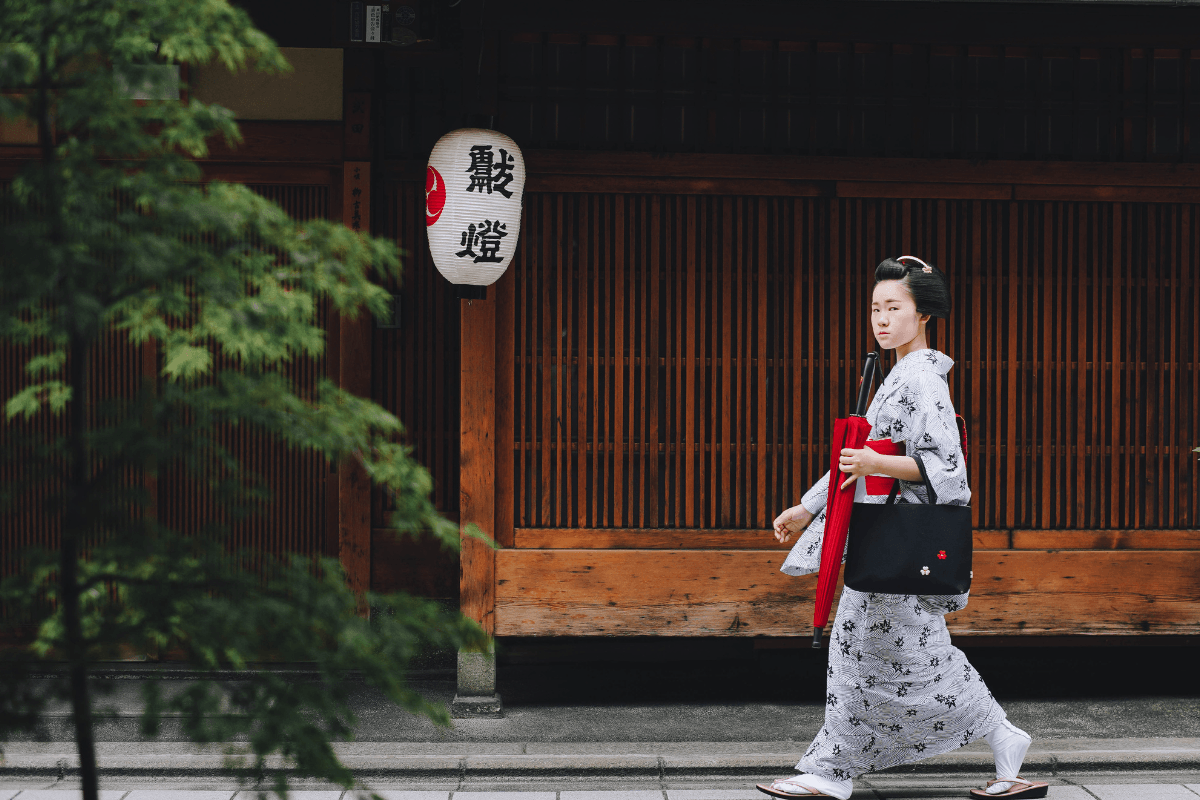
A quiet truth about return trips
If your first visit was about seeing Japan, your second is about being in it.
This is where people realise that the calm they associate with Japan isn’t found in temples or tea ceremonies. It’s found in systems that work, in care taken seriously, in small things done well without applause. That’s why so many people keep going back.
Not to tick boxes. To recalibrate.
Who this kind of trip suits
You don’t need to be an expert. You don’t need to have “done it all”. But this approach works best if:
- You value pace over quantity
- You’re happy trading landmarks for texture
- You trust judgement more than algorithms
Some travellers arrive at this point on their second trip. Others, instinctively, on their first. What matters isn’t how many times you’ve been. It’s how you want to travel.
This is where I come in
I design Japan journeys for people who know there’s more than the obvious route. Many have been before. Some haven’t, but already know they don’t want Japan packaged like a souvenir.
I work quietly, regionally, and deliberately. No rush. No filler. No automatic itineraries.
If Japan has been on your mind since the last time you left, this is usually why: You’re not done.
If you’ve been to Japan once and can’t stop thinking about it, I can help you plan the return that changes everything again.
Book a 30-minute consultation and let’s begin.